Aluminum is one of the most widely used metals in industry and construction. Its unique properties, such as light weight, corrosion resistance and aesthetic appearance, make it an ideal material for many applications. However, even aluminum can be corroded by external factors. In this article, we will explain how to protect aluminum from corrosion, discuss methods of protection, the most common problems and present best practices. We will also focus on the situation in Poland, taking into account specific climatic conditions and national regulations.
Aluminum exhibits natural corrosion resistance due to the formation of an oxide layer on its surface. This thin, invisible layer prevents further oxidation of the metal, making it more resistant to corrosion than many other materials. Although this layer is effective, certain environmental conditions can damage it, leading to corrosion. In Poland, where changing weather conditions and a variety of pollutants are common, keeping the oxide layer intact can pose some challenges.
To ensure lasting protection, various techniques can be used to strengthen and further protect aluminum. Popular methods include anodizing, protective coatings, as well as other specialized processes, which we will discuss in detail later in this article.
Anodizing is one of the most effective ways to increase aluminum's protection against corrosion. The process involves the electrolytic oxidation of the metal's surface, leading to the formation of a thicker oxide layer that is more resistant to environmental factors.
Anodizing has several key advantages:
Increased corrosion protection - A thicker oxide layer better protects aluminum from water, acids and other substances that can lead to corrosion.
Aesthetics - Anodizing allows aluminum to be given a variety of colors, which can be particularly useful in architectural and decorative projects.
Durability - Aluminum oxide is very hard, making the surface more resistant to scratches and mechanical damage.
In Poland, anodizing is commonly used in the construction, automotive and electronics industries. Companies offering anodizing services often use modern technologies that ensure high quality and durable coatings.
Painting and varnishing are other popular methods of protecting aluminum from corrosion. These coatings form a physical barrier that prevents the metal from coming into direct contact with corrosive agents. Thus, even if the oxide layer is damaged, the protective coating continues to protect the aluminum.
Epoxy paints - They are highly resistant to water and chemicals, making them ideal for harsh environments.
Polyester paints - Have good UV resistance and are commonly used for exterior architectural elements.
Acrylic paints - They are flexible and adhere well to surfaces, making them used in a variety of industrial applications.
In Poland, where weather conditions can be highly variable, the use of protective coatings is particularly important. Rain, snow, and air pollution can quickly damage unprotected aluminum, leading to corrosion.
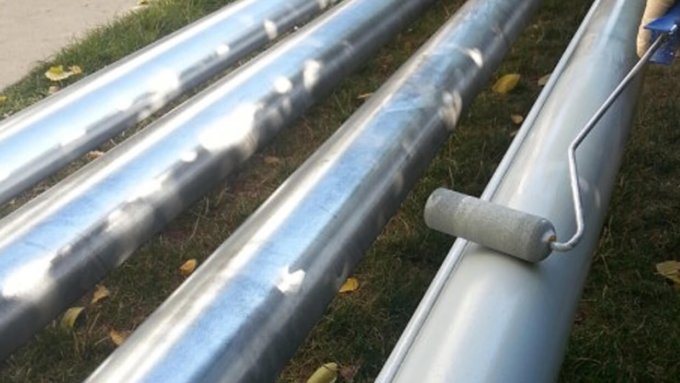
Corrosion inhibitors are chemicals that are added to the environment to reduce the corrosion rate of aluminum. They work in various ways, such as by forming protective barriers on the metal surface or neutralizing corrosive substances in the environment.
In Poland, the use of corrosion inhibitors is popular in the chemical and petroleum industries, where aluminum is exposed to aggressive environments. Regular use of these preparations in appropriate concentrations ensures long-term protection of the metal.
Passivation is a chemical process that strengthens the natural oxide layer on the surface of aluminum, making it more resistant to corrosion. The process involves immersing aluminum in special chemical solutions that improve the structure of the oxide layer and its adhesion to the metal.
Long-term protection - Passivation provides permanent protection, minimizing the risk of corrosion over the long term.
Cost-effectiveness - The method is relatively inexpensive and can be easily implemented in many industrial applications.
Safety - Passivation does not introduce harmful chemicals into the environment, making it an environmentally friendly solution.
In Poland, passivation is mainly used in the food and medical industries, where high purity and durability of aluminum are required. The process is particularly important in the production of equipment and tools, which must be resistant to frequent washing and disinfection.
Aluminum used in marine environments is exposed to particularly aggressive conditions. Salt water and moisture pose serious challenges, as they can quickly lead to corrosion of the metal. Special methods and materials are required to protect aluminum from corrosion in such conditions.
Polyurethane coatings - Characterized by high salt and water resistance, making them ideal for marine applications.
Marine anodizing - Autreemnie thick oxide layer that provides increased protection against salt water.
Special corrosion inhibitors - Chemicals tailored to protect aluminum in high humidity and salinity environments.
In Poland, the protection of aluminum in marine conditions is particularly important in the shipbuilding industry and in seaside tourist resorts. Companies specializing in protecting aluminum in such conditions use advanced technologies and materials that provide protection even in the harshest conditions.
To protect aluminum from corrosion in the long term, it is not enough just to use the right protection methods. Regular maintenance and care of the metal is also important. Daily care of aluminum can prevent corrosion and prolong its life.
In Poland, where variable weather conditions and air pollution are common, regular maintenance of aluminum is crucial. Companies and private users should pay special attention to the condition of metal surfaces and take appropriate preventive measures.
In construction, aluminum is widely used for its durability, lightness and aesthetics. However, in order for aluminum in building structures to perform its functions for many years, it is necessary to properly protect it from corrosion.
Use of durable aluminum alloys - Selection of aluminum alloys with additives, e.g. magnesium, silicon, which increase corrosion resistance.
Drainage design - Structures should be designed for effective drainage to avoid water accumulation and associated corrosion risks.
Regular technical inspections - Systematicinspection of the condition of structural aluminum components allows for early detection and repair of possible damage and defects in protective coatings.
In Poland, modern methods of protecting aluminum are widely used in the construction industry. Companies specializing in the construction and maintenance of aluminum structures have access to the latest technologies and materials, which makes it possible to ensure the durability and aesthetics of the structure even in difficult climatic conditions.
Finally, it is also worth quoting users' experiences and experts' opinions on how to protect aluminum from corrosion. Practical advice and knowledge of people who deal with this problem on a daily basis can be very helpful.
Janusz, owner of a construction company: "We rely on anodizing and regular painting, especially for external structural components. As a result, our aluminum structures last for years without any corrosion problems."
Anna, interior designer: "I always pay attention to choosing the right protective coatings, especially for products that are to be used outdoors. Polyurethane coatings work great."
Prof. Andrzej Kowalski, materials science specialist: "The key to effective aluminum protection is to choose the right method for specific operating conditions. Anodizing works great in most cases, but in extreme conditions, such as marine environments, it is worth using additional protective coatings."
Dr. Katarzyna Zielinska, corrosion expert: "Regular maintenance and condition monitoring of aluminum are extremely important. Even the best protective coating can become damaged, and early detection and repair of such damage can prevent serious problems in the future."
In summary, protecting aluminum from corrosion is a complex process that requires the use of appropriate methods and materials, tailored to specific operating conditions. In Poland, where variable atmospheric conditions and air pollutants pose challenges, it is a good idea to use advanced technologies and regularly maintain aluminum. In this way, even in the most demanding environments, aluminum can maintain its properties and aesthetics for many years.