In today's rapidly changing world, technology is playing a key role in the transformation of industry. From the evolution of Industry 4.0 to the coming era of Industry 5.0, we can see significant changes that are redefining the way we produce, manage and operate. But what are the real differences between these two approaches? How will these changes affect Poland and its industrial sector? I invite you to discover the differences and understand what these changes could mean for the future of our industry.
Industry 4.0, also known as the Fourth Industrial Revolution, marked the introduction of modern digital technologies into the world of manufacturing. The concept was first unveiled in Germany in 2011. Its main goal was to create smart factories that could operate more efficiently, flexibly and autonomously.
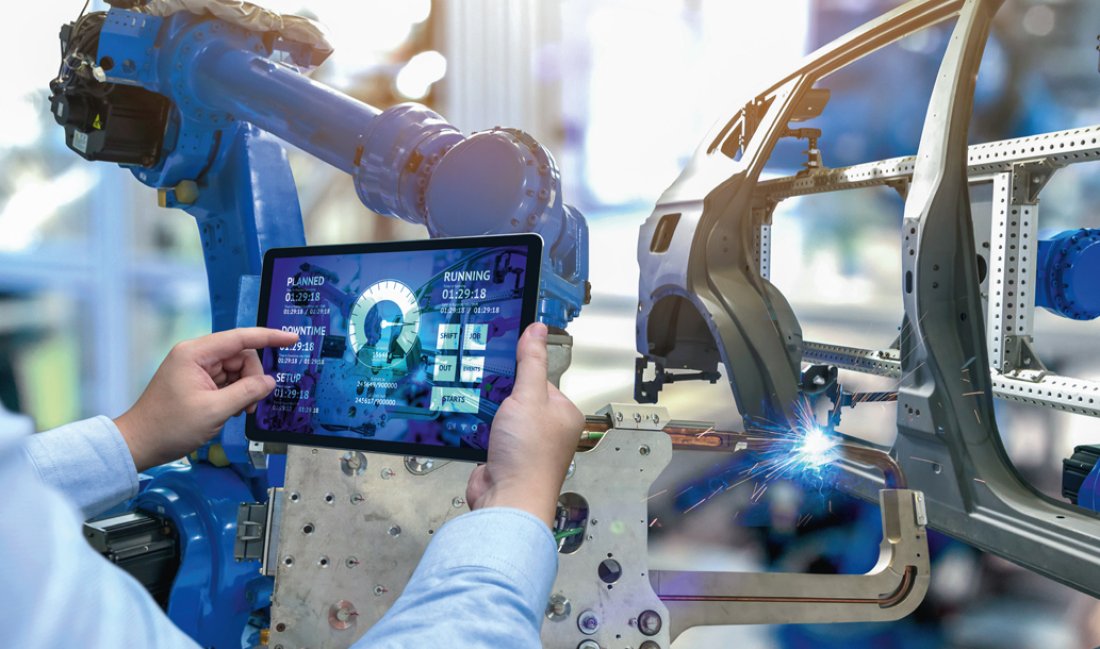
Specifically, Industry 4.0 consisted of integrating technologies such as the Internet of Things (IoT), artificial intelligence (AI), big data and cyber-physical systems (CPS). These innovations made it possible to create entire supply chains that were more integrated, communicated in real time and far more flexible than ever before.
One of the key examples of Industry 4.0 implementation in Poland is the automotive sector. Many of the country's factories have begun to introduce intelligent production systems, which have allowed for better quality control, reduced waste and increased production efficiency. For example, at Volkswagen or Fiat factories, modern production lines equipped with IoT systems enable real-time monitoring of each phase of production, which brings tangible economic benefits.
However, despite its many advantages, Industry 4.0 is not without challenges. The integration of digital technologies requires large investments, both financially and in terms of human resources. Employees must acquire new competencies, and organizations must face cyber security issues.
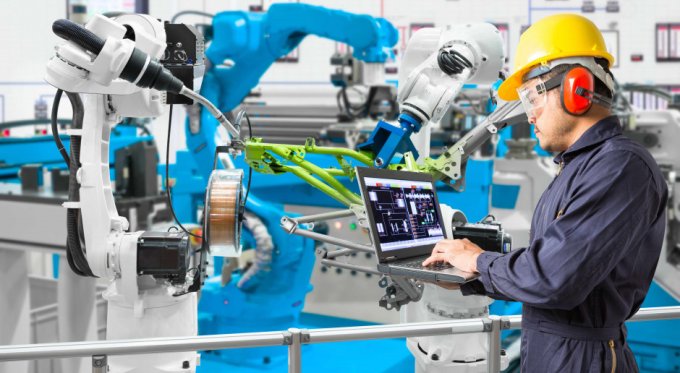
Where Industry 4.0 focused mainly on technology and automation, Industry 5.0 introduces a new perspective that is human-centered. Industry 5.0 is the fifth industrial revolution, which places great emphasis on the harmonious coexistence of man and machines and the development of their cooperation.
It is an approach in which man returns to the forefront of production processes, balanced with technology, which is designed to support him, not replace him. Industry 5.0 focuses on the personalization of products, attention to the health and well-being of workers and the environmental aspect of production.
Although Industry 5.0 is still in the conceptual stage, there are already signs of this change in Poland. Examples include companies such as ABB and Siemens, which are investing in the development of technologies focused on human-robot (cobot) cooperation. These cobots not only support workers in hard physical work, but also minimize the risk of injury and increase production efficiency.
Another aspect of Industry 5.0 is concern for the environment. In this context, manufacturers in Poland are paying increasing attention to sustainability and green production methods. This not only benefits the environment, but also improves the image of companies and increases their competitiveness in the global market. In this way, Industry 5.0 promotes a more responsible and humane approach to production.
To better understand Industry 4.0 vs. 5.0, it's worth leaning into the key differences between the two industrial revolutions. While Industry 4.0 focuses mainly on technological transformation and automation of production processes, Industry 5.0 puts human beings, their needs and well-being first.
Industry 4.0:
Industry 5.0:
In Poland, these differences are noticeable primarily in the way companies operate and their relationships with employees and technology. For example, companies that have fully embraced Industry 4.0 can now operate more automatically and are less prone to human error. In turn, companies that are beginning to implement the Industry 5.0 philosophy are investing more in employee development, creating a more sustainable and ethical work environment.
The adaptation of Industry 4.0 vs. 5.0 in Poland presents a number of challenges, but also presents numerous opportunities for the development of the industrial sector. As in other countries, Poland faces the need to implement modern technologies and simultaneously adapt its economy to global trends.
One of the main challenges in Poland is the need to invest in modern technological infrastructure. Many companies, especially small and medium-sized enterprises, face problems related to lack of access to advanced technologies and insufficient funding for their implementation.
However, despite these obstacles, Poland has a number of assets that can support adaptation to Industry 5.0. The first of these is a rapidly developing IT sector that provides modern and innovative solutions. In addition, Poland has a skilled engineering workforce, which is an invaluable asset in the industrial transformation process.
The government is also taking steps to support industrial transformation, for example through financial support and training programs. Investments in training and workforce competence development are crucial for Poland to successfully transition from the Industry 4.0 model to Industry 5.0.
One example of initiatives supporting industrial transformation is the "Industry 4.0" program, which aims to promote and support innovation in Polish industry. This program offers a variety of tools, training and financial subsidies for companies that want to implement modern technologies.
Although the challenges facing Poland in the transformation process are significant, the future of Polish industry looks promising. Both Industry 4.0 and Industry 5.0 offer numerous opportunities that can significantly improve the competitiveness of Polish companies in the global market.
One of the key aspects of the future of Polish industry is greater personalization of products, which is part of the philosophy of Industry 5.0. Thanks to modern technologies such as 3D printing and collaborative robots, it is possible to create more customized, individual products. This increases customer satisfaction and allows for greater differentiation of offerings.
Another important aspect is sustainability, which is becoming increasingly important in the context of global trends. Poland, despite being a country with a large share of heavy industry, has the potential to become a leader in sustainable production. The introduction of environmentally friendly production methods, reduction of greenhouse gas emissions and greater care for the environment are directions that can bring long-term benefits.
Ultimately, the key to success in the adaptation of Industry 4.0 a 5.0 in Poland is cooperation. Cooperation between businesses, scientific institutions and the government can accelerate the transformation process and make Polish industry more modern and competitive.
Industry 4.0 and Industry 5.0 are two important revolutions that have the potential to significantly change the industrial sector worldwide, including Poland. Industry 4.0 focuses on automation and technological innovation, while Industry 5.0 emphasizes human-machine collaboration and sustainability.
Given the numerous challenges and potential benefits, Poland needs to actively support the transformation process by investing in modern technologies, developing the competencies of its employees and promoting sustainable development. By doing so, our country can become a leader in the upcoming fifth industrial revolution, opening up new opportunities for the development of the economy and the improvement of citizens' quality of life.