Industry in Poland plays a key role in shaping the country's economy. It is a fundamental pillar that supports social, economic and technological development. However, due to dynamically changing internal and external conditions, the industry faces a number of challenges that require innovative solutions and commitment from both the public and private sectors. The purpose of this article is to present various aspects related to industry in Poland, including functions, divisions, branches and characteristics, and to discuss the difficulties encountered and strategies for overcoming them.
Polish industry plays a key function in the national economy. It is the source of a significant portion of the Gross Domestic Product (GDP) and provides millions of jobs. Industry in Poland is a high-value-added sector that generates significant revenues in both domestic and international markets.
One of the main functions of industry is the production of material goods, which are the foundation for other sectors of the economy. Starting from the mining industry, to the processing industry, to the production of final goods, each of these industries is of enormous importance to the functioning of the entire economy. These products are not only consumed in the domestic market, but also exported, which contributes to Poland's positive trade balance.
Technological innovation is an indispensable part of industry. Poland's industry needs to become more innovative and internationally competitive to meet global challenges. Investment in research and development (R&D) is key here. Companies that introduce new production technologies often achieve higher levels of productivity and quality of their products, enabling them to better compete in global markets.
In addition, industry in Poland plays an important role in infrastructure development. Investments in the construction of roads, bridges, power plants or industrial plants contribute to economic growth and raise the living standards of society. Modern investments in communications, energy and technology infrastructure are essential to maintain the pace of innovation and increase productivity.
Industry in Poland is also an instrument for reducing unemployment. It provides employment for a large part of the population, which has a direct impact on improving living conditions. In addition, industry plays an important role in shaping social norms and values - through corporate social responsibility, promoting new environmental solutions or pro-environmental activities.
Environmental challenges are another key element that cannot be overlooked. Modern industry must balance large-scale production with environmental protection. The introduction of stricter environmental standards and the emphasis on sustainability poses a number of challenges that industry must overcome to achieve long-term benefits.
The first and one of the most important industrial divisions in Poland is the mining industry. Poland is rich in a variety of natural resources, such as hard coal and lignite, copper, silver and sulfur. The exploitation of these resources provides the basis for many other industries, supplying raw materials necessary for industrial production.
It is worth noting the importance of the coal industry, which, despite the challenges of environmental protection and the European Union's climate policy, still plays a key role in the country's energy sector. Poland is one of the largest producers of hard coal in Europe, and the power and heating sectors are heavily dependent on these resources.
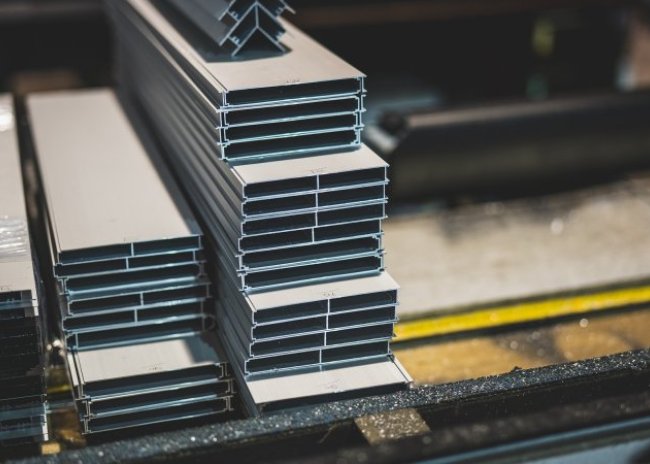
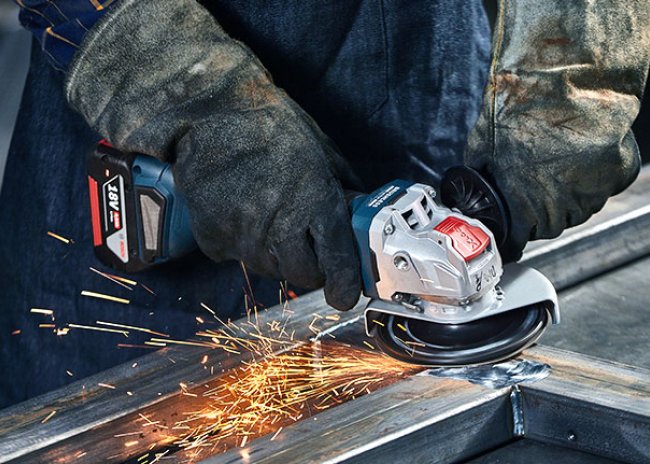
The second most important division is the processing industry, which includes such branches as the chemical, metallurgical, automotive and food industries. Poland's chemical industry is one of the fastest growing sectors, generating high value-added products such as plastics, fertilizers, medicines and cosmetics. Meanwhile, the metallurgical industry, which has been going through difficult restructuring phases, is now gaining ground again, producing steel and other metals used in many areas of the economy.
Another important branch of industry is the high-tech sector and high-tech industry. Poland is betting on the development of the IT, electronics, automation and robotics industries, which are the foundations for a modern economy. Poland has become a center for IT outsourcing in Central and Eastern Europe, a testament to the high quality of specialists in this field.
Industries related to research and development, such as biotechnology, pharmaceuticals and advanced materials technology, are also gaining importance. The increase in investment in these sectors testifies to Poland's drive to transform itself into a knowledge- and innovation-based economy.
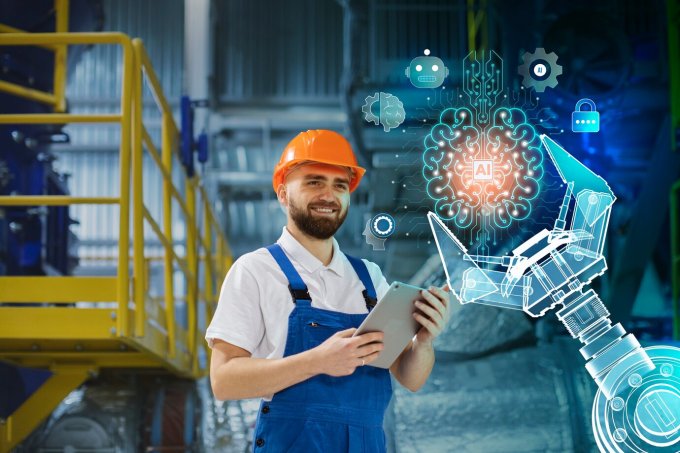
The electrical machinery industry is one of Poland's largest industries, which includes the production of machinery, electrical equipment and transportation equipment. Companies operating in this industry face challenges in adapting to new regulations and requirements for sustainable development.
The role played by the food industry cannot be overlooked. Poland is one of the main food producers in Europe, and products such as meat, dairy products, fruits and vegetables or agri-food preparations are in high demand on both domestic and foreign markets. A key challenge for the sector is to ensure the high quality and safety of products, which is indispensable in the context of growing consumer demands.
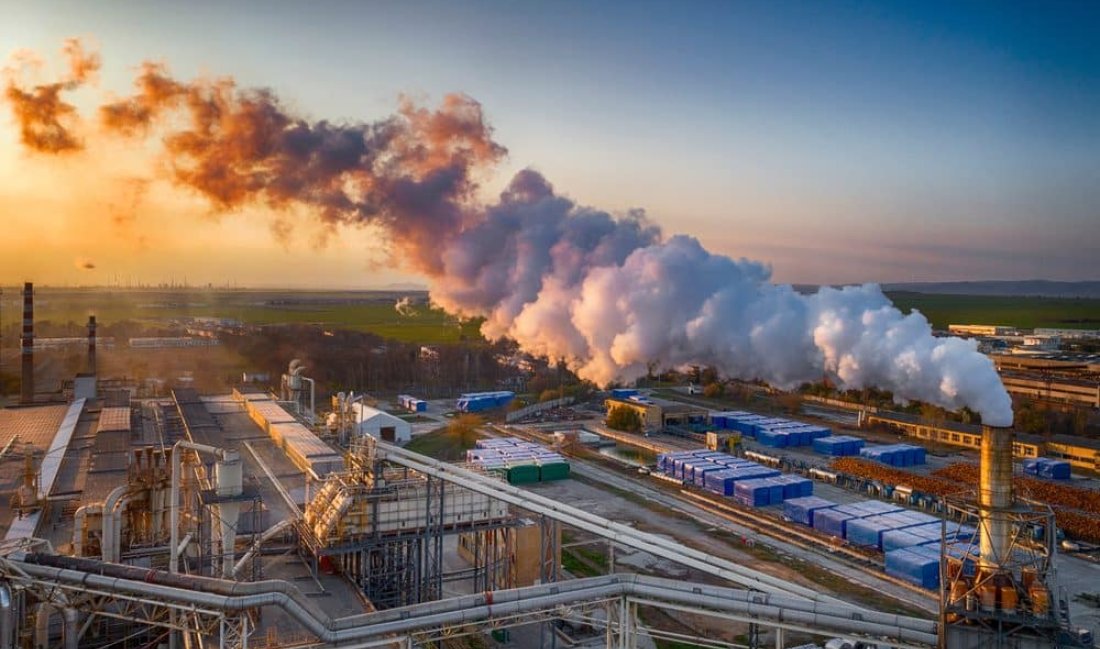
A special place is occupied by the energy industry, which aims to produce electricity and heat. Poland still relies heavily on coal, however, the future of this sector is linked to the need for energy transformation. Introducing renewable energy, modernizing infrastructure and increasing energy efficiency are key challenges facing the Polish energy industry.
One of the most distinguishing features of the industry in Poland is its adaptability and flexibility. The industry in Poland is constantly adapting to changing market conditions and technological requirements. The ability to respond quickly to new challenges and an innovative approach to production are qualities that allow companies to remain competitive on the international stage.
The industry in Poland is characterized by high industry and regional diversity. Different industries are developing in different parts of the country, making the economic structure more complex and balanced. For example, the Silesia region is known for its developed mining and metallurgical industries, while Mazovia and Lower Silesia are centers of modern technology and high-tech industries.
Poland can boast a high level of education of technical cadres. Polish engineers, technicians and IT specialists are valued around the world for their skills and competencies. Access to a well-educated workforce is one of Poland's major industrial advantages, which fosters innovation and the development of new technologies.
Despite its many advantages, the industry in Poland also faces significant challenges, including increasingly stringent environmental regulations. Requirements for environmental protection, greenhouse gas emissions or waste management pose additional barriers that companies must overcome to achieve sustainable growth. Energy transformation, the transition to renewables and the implementation of greener technologies are processes that require significant investment and long-term planning.
Some regions of Poland still face infrastructural deficiencies that can hinder industrial development. The lack of modern roads, railroads or energy connections can be a significant obstacle to the effective operation of industrial companies. Hence, further investment in infrastructure is needed to fully realize the country's development potential.
Globalization brings both opportunities and challenges. Poland's industry faces competition from other countries, which often have more developed infrastructure and access to cheap raw materials. Poland must therefore invest heavily in research and development, and in modern production technologies to stay ahead of global competition.
Energy transformation is one of the most pressing challenges. For years, Poland has based its energy sector on coal, due to its coal resources. Now, however, with pressure from the European Union and global efforts to combat climate change, it is becoming necessary to switch to greener energy sources such as solar, wind and geothermal power.
Implementing new technologies, such as automation and robotization, is another challenge. Modern industrial plants require increasingly sophisticated technologies that replace traditional production methods. This process not only increases efficiency, but also reduces the cost of production, although it involves training employees and recruiting specialists with new competencies.
Demographic changes, such as an aging population and labor migration, are affecting the industry. An aging population and a shrinking labor base require industry in Poland to adapt to the new realities. Industrial plants need to invest in technologies that will automate processes, but also in training programs that will attract younger generations to the sector.
Conservation of natural resources and sustainable development are other key challenges for the industry. Increased environmental awareness and the need to protect the environment are forcing industrial companies to introduce greener production technologies and increase energy efficiency.
Industry in Poland - functions, divisions, branches and features plays a significant role in shaping the country's economy and has ambitious challenges ahead. The ability to adapt, innovate and invest in modern infrastructure and technologies are key to its future development. Overcoming difficulties and coordinated action by various sectors will contribute to the further flourishing of Polish industry, making it more competitive and sustainable on the international stage.