In an era of growing environmental awareness and intensified sustainability efforts, 0-emission buildings are becoming one of the key elements of modern architecture and urban planning. These are structures that emit no carbon dioxide or other greenhouse gases during their life cycle. Achieving this ambitious goal requires the latest technologies, materials and approaches to building design and operation. In this article, we will look at what steps can be taken to make building projects fully 0-emission and the benefits of this approach.
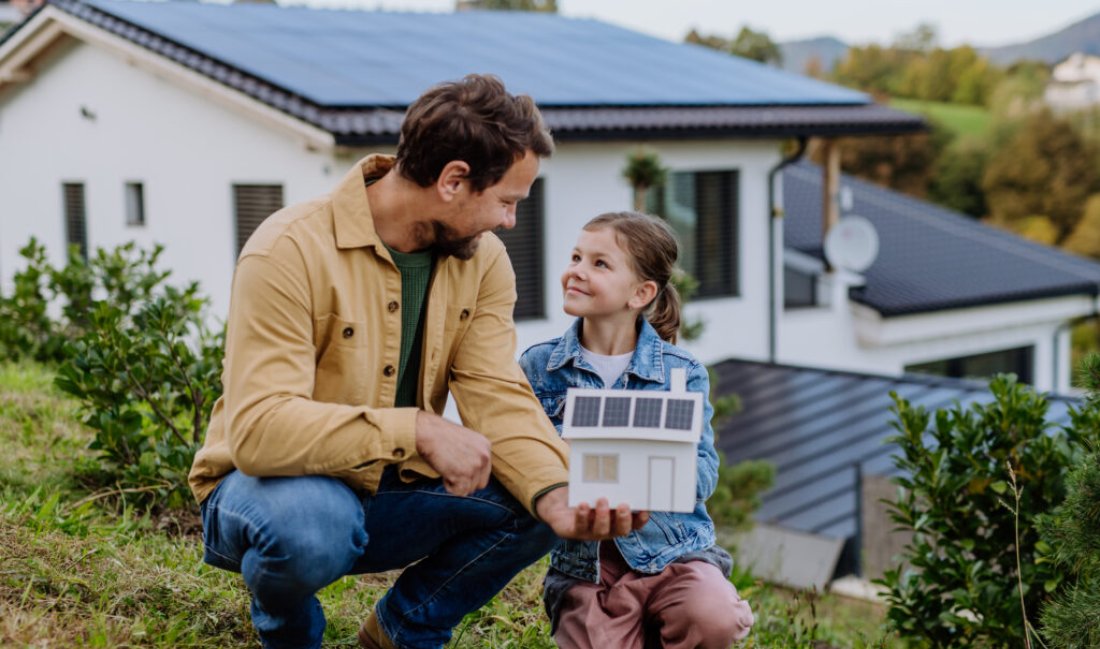
One of the most important elements of any 0-emission building is the use of renewable energy. Photovoltaics, which convert solar energy into electricity, play a key role here. Installing photovoltaic panels on rooftops allows buildings to generate their own electricity, thus minimizing the need for energy from conventional, emission-based sources.
Modern solar panels are characterized by high efficiency and reliability. Thanks to continuous technological innovations, photovoltaics are becoming increasingly accessible and cost-effective. For building owners and developers, investing in photovoltaics is a step toward autonomous energy supply and reduction of CO2 emissions.
In addition to photovoltaics, 0-emission buildings are increasingly using other sources of renewable energy, such as wind power and heat pumps. Wind turbines, although more associated with wind farms, can also be installed in smaller versions in urban areas. They allow buildings to be supplied with additional electricity without emitting carbon dioxide.
Heat pumps, on the other hand, use energy stored in the ground, water or air to heat and cool buildings. This makes these systems much more energy efficient than traditional furnaces and boilers, resulting in lower energy consumption and emissions.
Choosing the right building materials has a huge impact on achieving a building's 0-emissions status. Wood from certified sustainable forests is one of the best construction materials in terms of ecology. Thanks to its ability to sequester carbon dioxide, wood not only minimizes emissions at the production stage, but also actively contributes to reducing CO2 in the atmosphere.
Other materials of natural origin, such as bamboo, hemp and clay, are also gaining popularity. They are biodegradable, renewable and can be used in many ways in construction. The use of such materials minimizes negative environmental impact and supports a closed-loop economy.
When we think about 0-emission buildings, we must not forget to recycle materials. Reusing concrete, steel and other raw materials from other construction projects significantly reduces the carbon footprint associated with the production of new materials. The use of recycled materials is becoming more common, thanks to technological advances that make it possible to process them without sacrificing quality.
In addition, designers and architects are striving to create modular and prefabricated structures that can be easily disassembled and reused. This type of approach reduces construction waste and promotes more sustainable practices in the construction industry.
Advanced energy management systems are an indispensable part of any 0emission building. Technology such as smart thermostats, motion sensors, lighting management systems or intelligent control of household appliances allows optimization of energy consumption and minimization of waste. Automation of these processes contributes to significant improvements in energy efficiency.
Modern buildings are equipped with energy management that analyzes data in real time and adjusts energy consumption to current needs. This enables intelligent control of lighting, heating, ventilation and air conditioning, resulting in lower operating costs and reduced greenhouse gas emissions.
Integrating energy storage batteries with building management systems is another step toward achieving zero emissions. Storing energy produced by photovoltaic panels or wind turbines allows it to be used at times when production is lower, such as at night or during adverse weather conditions. This contributes to the stabilization of renewable energy sources and increases the energy independence of buildings.
New-generation batteries, such as those in lithium-ion, have an extended life and greater capacity, making them ideal for use in residential and commercial buildings. By storing energy, we can also minimize the need for external energy at peak demand times, further reducing emissions.
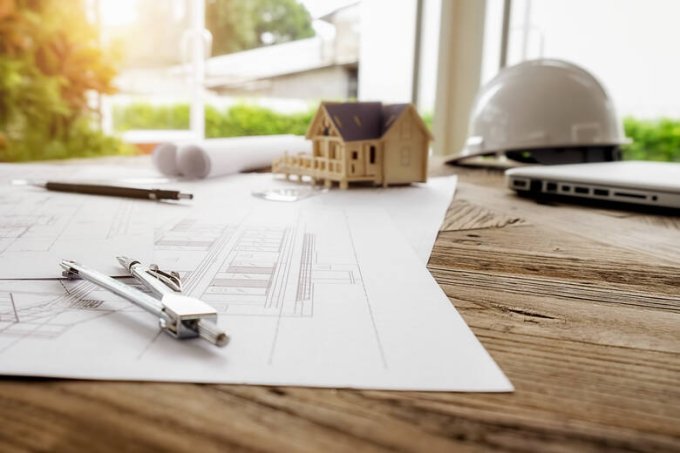
In the field of 0-emission building design, bioclimatic architecture, which takes into account local climatic and environmental conditions, plays an extremely important role. Designers seek to maximize the use of natural energy sources, such as solar, wind, and geothermal, to minimize the need for additional heating, cooling, and lighting.
Bioclimatic architecture uses passive techniques such as proper window placement, thermal insulation and green roofs to help maintain a stable internal temperature. This makes buildings more energy efficient, resulting in lower emissions and greater occupant comfort.
Adapting existing buildings to zero-emission standards is just as important as constructing new buildings. Modernizing old structures by replacing their energy systems, improving thermal insulation or replacing window and door frames are steps that can significantly reduce greenhouse gas emissions.
The use of technologies such as photovoltaics, heat pumps or energy management systems is also possible in existing buildings. With the right investments and retrofits, existing buildings can become greener and more energy efficient, thus contributing to the global reduction of CO2 emissions.
Green roofs and vertical gardens are another element that can contribute to achieving zero-carbon in buildings. These solutions not only improve the aesthetics of urban spaces, but also bring many environmental benefits. Green roofs act as natural insulators, reducing the need for air conditioning in summer and heating in winter. They also reduce the urban heat island effect, improve air quality and manage rainwater, reducing the risk of urban flooding.
Vertical fences, or vertical gardens mounted on the walls of buildings, have similar benefits. They improve the microclimate, promote biodiversity and can be used in both modern and older buildings. By using these solutions, we contribute to improving the quality of life in cities while reducing CO2 emissions.
In addition to the environmental benefits, green roofs and vertical gardens also have a positive impact on the health and comfort of residents. The presence of plants in the environment promotes stress reduction, improves mood and concentration. Plants naturally filter the air, reducing harmful dust and pollutants, which is especially important in urban areas with high population density.
Green roofs and vertical gardens can also serve as places for recreation and relaxation, improving the overall quality of life. Operating such places can also become an additional source of environmental education, promoting sustainable practices among urban residents.
In order for 0-emission buildings to become the norm, extensive education and environmental awareness in the community is also essential. Knowledge of the environmental impact of buildings and the benefits of sustainable solutions is crucial for acceptance and support of such initiatives. Educational programs in schools, information campaigns and promotional activities can significantly contribute to increased interest in zero-carbon building technologies.
Many zero-emission building projects are being developed through cooperation with local communities and authorities. Partnerships between developers, environmental organizations and local government entities can significantly advance such initiatives. Administrative support, tax breaks and the possibility of obtaining funding from environmental programs are just some of the forms of support that can encourage investors to implement environmentally friendly projects.
Cooperation, exchange of experience and good practices between different entities is the key to success in promoting 0-emission buildings and contributing to the global fight against climate change.
0-emission buildings are the answer to the global challenges of climate change and the growing demand for sustainable living. Using renewable energy, green building materials, smart energy management systems and promoting sustainable lifestyles are steps we can take to make buildings even more environmentally friendly. By investing in 0-emission buildings, we not only take care of the planet, but also create healthier, more comfortable and energy-efficient spaces for future generations.